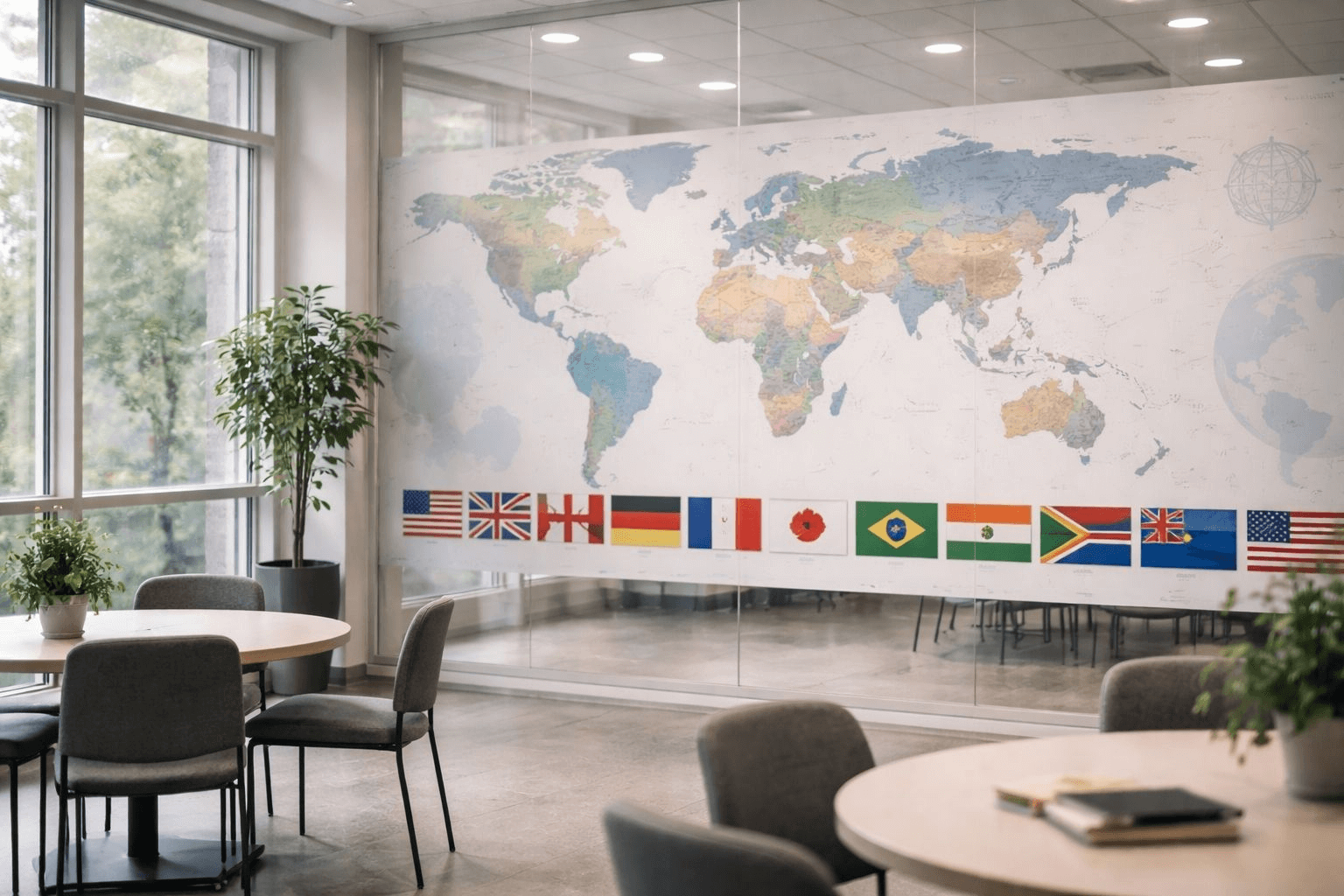


What sets our International Relations essay writing service apart? Our expert writers provide insightful essays with high-quality references, ensuring a comprehensive and meticulous approach to your requirements.
Plenty of prestigious universities in the UK provide a global perspective on international affairs, attracting students and faculty from diverse cultural backgrounds to foster a rich and multicultural learning environment. Students have the privilege of studying under renowned experts and scholars who have made substantial contributions to global affairs and gain a comprehensive understanding of complex global issues. This exposure helps students gain a newfound appreciation of the dynamic intersection of diplomacy, culture, and politics. Courses in the UK present a curriculum that spans a variety of disciplines, including but not limited to - global governance, international political economy, diplomacy and negotiation, conflict and cooperation, international law and organisation, security studies, comparative politics, human rights, foreign policy analysis, media and communication, research methods and regional studies.
Analysing the complexities of foreign policy, elucidating interdisciplinary influences on international relations, and providing insightful perspectives equip graduates of an International Relations degree with the skills to embark on a diverse range of impactful career paths. As diplomats, UN officials, policy analysts, journalists, advocates, intelligence analysts, international development specialists, think tank analysts, security and conflict resolution specialists, public relations specialists and community organisers, graduates find success in industries that demand a profound understanding of global affairs, strong ethical values, and effective communication skills. This degree opens doors to various sectors, from esteemed international organisations to roles in governmental bodies, offering flexibility in career choices aligned with specific interests and ethical values. Graduates emerge with a comprehensive understanding of the unique challenges and opportunities within the realm of international relations.
Getting a graduate or postgraduate degree in international relations necessitates a honing of critical analyses, research, problem solving and communication skills by students to develop a pragmatic comprehension of intricate frameworks, political systems, relativity of cultures and nuance required in framing foreign policy. Students actively immerse themselves in challenges and opportunities by conducting first hand investigations into global issues by meticulously deconstructing the interplay between governance, diplomacy, power, and culture that mould a globalised society. This active engagement unfolds through a variety of discussions where students refine their affinity for global issues and express well-informed perspectives across diverse academic formats including essays, dissertations, theses, exams, group projects, case studies, presentations, research papers, debates, workshops, seminars, policy analysis, and other initiatives. Enhanced by internships, simulations and experiential learning opportunities that allow for networking and experience, these components function as a conduit bridging the gap between the theoretic realm and the practical intricacies of international relations.